Concrete Walkways vs. Pavers: Which Option Fits Your Property Best
People searching for concrete walkways vs. pavers installation are often looking to enhance their property’s appearance and durability, and local contractors can help determine the best option and handle the installation.
Choosing between concrete walkways and pavers is a common consideration for property owners looking to enhance their outdoor spaces. Whether planning a new walkway or upgrading an existing one, understanding the practical differences can help determine which option aligns best with the property's style, durability needs, and maintenance preferences. This decision is particularly relevant for homeowners and property managers in the area who want reliable, long-lasting solutions that complement their property's overall aesthetic.
Exploring this topic can reveal important factors such as installation complexity, material longevity, and visual appeal-all areas where experienced local contractors can provide guidance and quality craftsmanship. By learning more about the benefits and considerations of concrete walkways versus pavers, property owners can make informed choices that suit their specific needs. Keep reading to discover how these options compare and how local service providers can help bring the ideal walkway to life.
- Concrete walkway installation services are ideal for properties seeking a durable, low-maintenance surface that can handle heavy foot traffic, with local contractors focusing on creating smooth, long-lasting surfaces. Paver installation services are suitable for those wanting a customizable, visually appealing pathway, with service providers offering a variety of styles and easy repair options. When choosing between concrete walkways vs. pavers, local pros assess the property's layout, climate, and aesthetic preferences to recommend the best material. Concrete walkways are often favored for their affordability and strength, while pavers are chosen for their design flexibility and ease of replacement. Experienced local contractors tailor each installation to match the specific needs and style of the property, ensuring a functional and attractive result.
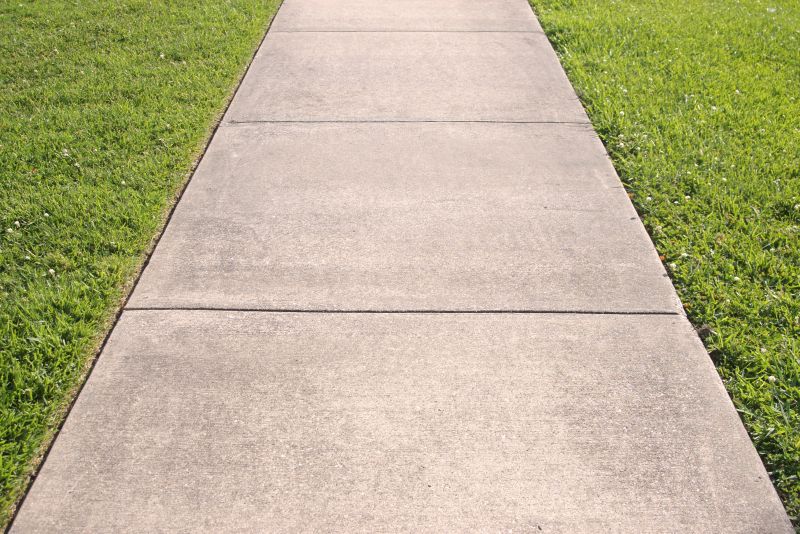
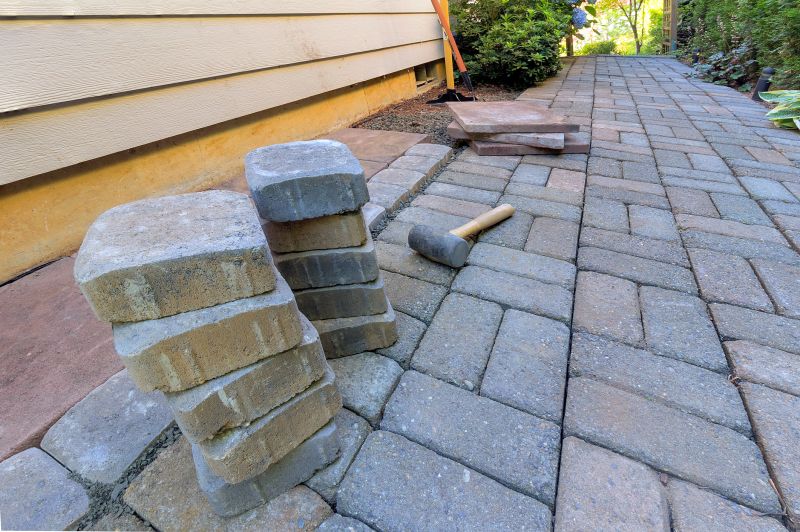
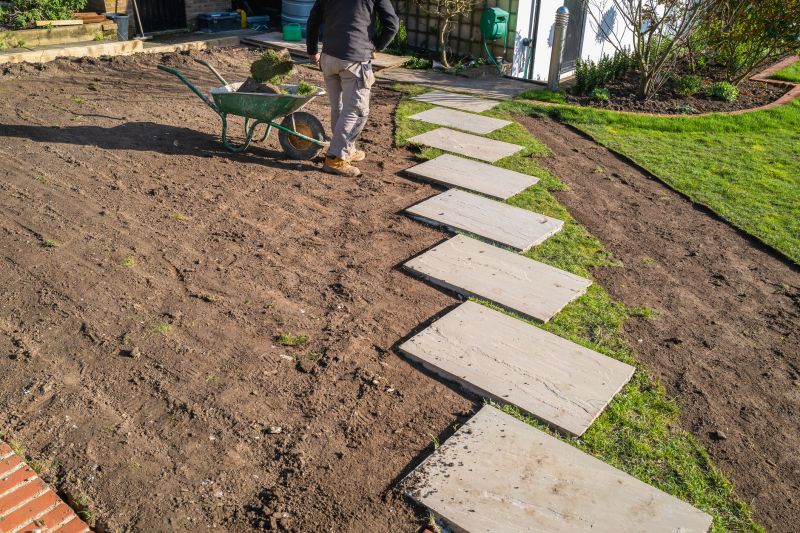
When homeowners explore options for enhancing their outdoor spaces, the decision between concrete walkways and pavers often comes up. This search typically stems from plans to improve curb appeal, create safe pathways, or replace aging, cracked surfaces. Many property owners are looking for durable, visually appealing solutions that can withstand foot traffic and weather conditions over time. These decisions are common for residential properties with front or backyard walkways, as well as for commercial or multi-unit properties that require reliable pathways for visitors and tenants. Understanding the differences between these options helps homeowners identify which material aligns with their vision, durability needs, and maintenance preferences, making it easier to find the right local contractors for the job.
The choice between concrete walkways and pavers relates closely to the specific problems or plans homeowners have for their properties. For example, cracked or uneven surfaces may prompt a search for more durable, long-lasting solutions. Some property owners want to replace old, stained concrete with a more decorative option that adds visual interest and value. Others may plan to install new walkways that complement existing landscaping or architectural features. The scope of the project can range from simple repairs to complete overhauls, and the decision often hinges on factors like budget, desired appearance, and long-term maintenance. Local contractors who specialize in concrete and paver installation can assess these needs and recommend the most suitable material to match the property’s functional and aesthetic goals.
Properties that commonly come up in discussions about concrete walkways versus pavers include residential homes, small commercial buildings, and multi-unit complexes. Residential properties often seek a balance between durability and curb appeal, making both options attractive depending on the homeowner’s style preferences. Commercial properties may prioritize slip resistance and ease of maintenance, which can influence the choice toward concrete or pavers. Larger properties with extensive walkways might consider pavers for their ease of replacement and design flexibility, while smaller yards might lean toward concrete for its straightforward installation and cost-effectiveness. Local service providers experienced in both materials can help property owners evaluate these factors and determine which option best suits their property’s size, use, and style.
Ultimately, understanding how concrete walkways compare to pavers can help homeowners make informed decisions aligned with their property’s needs. Concrete walkways are often favored for their strength, affordability, and minimal maintenance, making them suitable for high-traffic areas or straightforward pathways. Pavers, on the other hand, offer a decorative edge, flexibility in design, and easier repair options, appealing to those who want a more customized look or anticipate future modifications. Local contractors who install both types can provide insights into installation processes, longevity, and appearance, helping property owners choose the material that best fits their project goals. Whether the priority is durability, aesthetics, or ease of repair, understanding these differences ensures a more confident selection for outdoor walkway improvements.
Patio and outdoor living space installation - professionals skilled in designing and building patios and outdoor areas often work with materials similar to those used in concrete walkways and paver installations, requiring planning and surface preparation expertise.
Driveway construction and repair - local contractors experienced in driveway projects utilize similar tools and techniques as those needed for installing durable concrete or paver surfaces, ensuring proper foundation and surface finishing.
Landscape edging and border installation - setting up landscape borders involves planning and precision that align with the skills used in creating clean, defined walkway edges with concrete or pavers.
Stone and brick pathway projects - building pathways with natural stone or brick shares planning, layout, and surface leveling skills with paver and concrete walkway installation services.
Stamped concrete and decorative surface finishing - contractors specializing in decorative concrete work have experience with surface preparation and finishing techniques applicable to concrete walkways and paver surfaces.
Retaining wall construction - constructing retaining walls requires site planning and structural knowledge similar to installing stable, long-lasting walkways and paved surfaces.
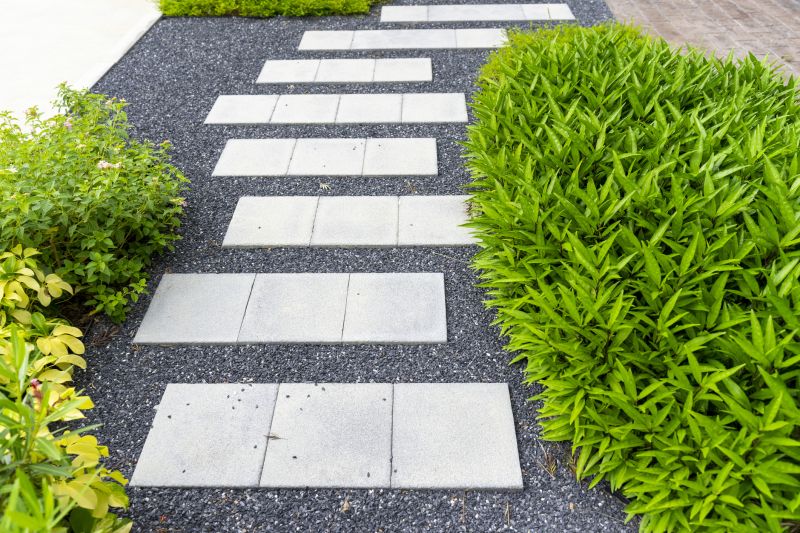
When evaluating contractors for concrete walkway or paver installation, it’s important to consider their experience with similar projects. Homeowners should seek service providers who have a proven track record of completing walkway or paver projects comparable in scope and style to what they envision. Asking for examples of past work or references related to these specific services can help determine if a contractor’s expertise aligns with the property’s needs. A contractor’s familiarity with different materials and design considerations can influence the durability and aesthetic appeal of the finished walkway, making experience a key factor in the decision-making process.
Clear written expectations are essential when comparing local contractors for concrete or paver work. Homeowners should look for providers who can offer detailed project descriptions, including scope, materials, and finishes, in written proposals or estimates. This clarity helps prevent misunderstandings and ensures that both parties are aligned on the project’s goals. Well-defined expectations also facilitate smoother communication throughout the process, allowing homeowners to stay informed about progress and any adjustments needed along the way.
Reputable references and good communication are vital components when choosing between concrete walkway and paver installation services. Service providers with positive references from previous clients can provide insights into their reliability, professionalism, and the quality of their work. Effective communication from a contractor ensures that questions are answered thoroughly and that updates are provided regularly, which can make the entire project experience more straightforward. By prioritizing these qualities, homeowners can select local contractors who are committed to delivering results that meet their expectations and suit their property’s unique characteristics.
Property owners often search for concrete walkways vs. pavers: which option fits your property best when they are planning practical projects around their homes and businesses. Local pros provide Concrete Walkway or Pavers Installation services for everyday jobs and straightforward project options.
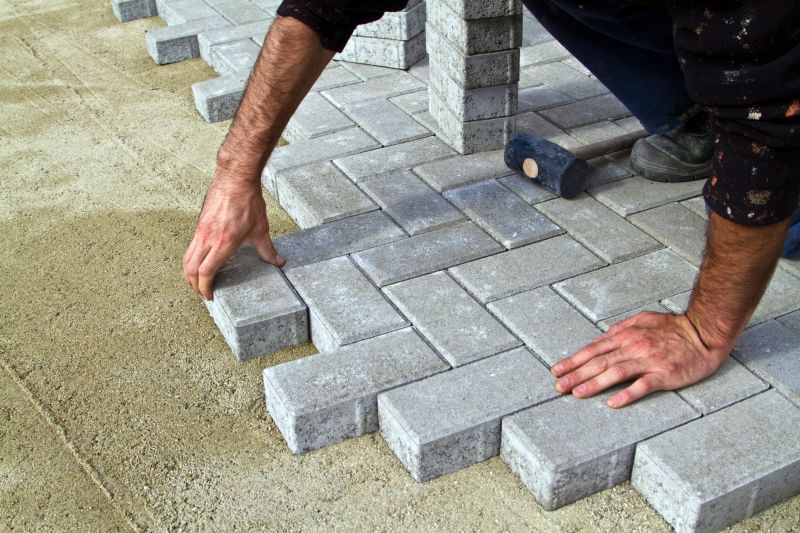
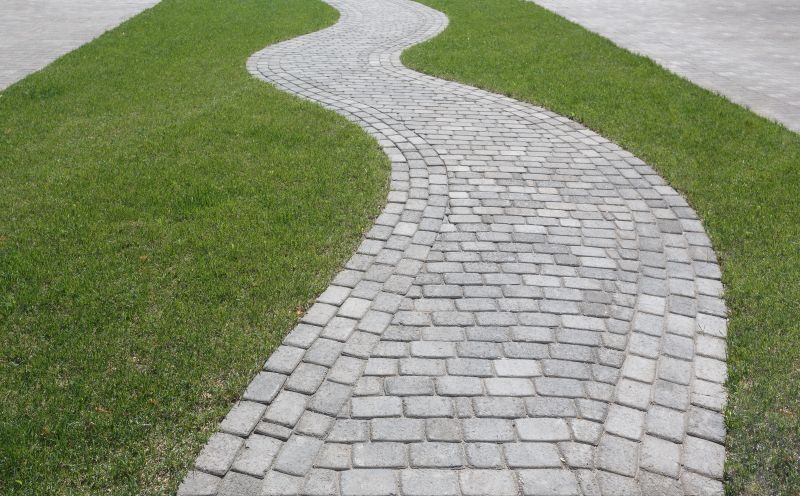
When considering options for enhancing outdoor walkways, property owners often weigh the benefits of concrete walkways versus pavers. Concrete walkways are known for their durability and straightforward installation, making them a popular choice for those seeking a long-lasting, low-maintenance surface. On the other hand, pavers offer a versatile and customizable look, allowing for various patterns and colors that can complement different property styles. Homeowners and property managers in the area frequently look into this topic to determine which material aligns best with their aesthetic preferences, usage needs, and maintenance expectations, prompting them to reach out to local contractors experienced in both options.
Choosing between concrete walkways and pavers often depends on practical considerations such as budget, desired appearance, and the level of foot traffic. Local service providers can help evaluate these factors, offering guidance on what will perform well over time and fit the property's existing landscape. Whether a property owner prefers the simplicity of concrete or the visual appeal of pavers, connecting with experienced local contractors can ensure the installation aligns with their specific needs and enhances the property's overall functionality and curb appeal.
What are the main differences between concrete walkways and pavers? Concrete walkways are typically poured as a solid surface, offering a seamless and durable path, while pavers consist of individual units that can be arranged in various patterns, providing flexibility in design and easier repairs. Local contractors can help determine which option suits specific property needs and aesthetics.
Which option is more suitable for high-traffic areas? Concrete walkways are generally more resistant to heavy use and require less maintenance over time, making them a popular choice for high-traffic zones. Pavers can also handle traffic well but may need occasional resetting or replacement of individual units, with local service providers able to advise on the best choice.
Are pavers or concrete walkways better for uneven terrain? Pavers are often better suited for uneven or sloped surfaces because they can be installed with flexibility to accommodate terrain variations. Concrete walkways require a more level base but can be reinforced for stability, with local contractors able to evaluate terrain conditions effectively.
How do maintenance needs compare between concrete walkways and pavers? Concrete walkways typically require minimal upkeep but can crack over time, needing repairs from local pros. Pavers are easier to repair since individual units can be replaced without disturbing the entire surface, which local contractors can facilitate efficiently.
What factors should be considered when choosing between concrete walkways and pavers for a property? Important considerations include desired appearance, durability, maintenance, terrain, and budget. Local service providers can assess property specifics and help select the most appropriate option for long-term performance and style.
Durability considerations - Property owners can discuss with local contractors which material best withstands foot traffic and weather conditions in their area.
Design flexibility - Homeowners can explore different styles and patterns with local service providers to match their property's aesthetic.
Installation complexity - Property owners can learn about the differences in installation processes and choose the option that fits their project scope.
Maintenance needs - Individuals can evaluate ongoing upkeep requirements and select the material that aligns with their maintenance preferences.
If you are thinking about concrete walkways vs. pavers: which option fits your property best for a property, this guide is meant to help you understand this topic, the typical project types, and how different options might fit your plans.
When you are ready, you can use the quote form on this page to share a few details about your project. From there, local pros can review the basics and follow up with options that match what you have in mind.