ADA-Compliant Concrete Sidewalks: What Property Owners Need to Know
Property owners seeking ADA-compliant sidewalk construction aim to ensure accessible, safe walkways, and local contractors can provide the expertise needed to meet ADA standards effectively.
Property owners in the area exploring ADA-compliant concrete sidewalks often seek practical solutions to ensure accessibility and compliance with regulations. Ensuring sidewalks meet ADA standards not only helps create inclusive outdoor spaces but also minimizes potential legal issues and enhances overall property value. Whether planning a new installation or upgrading existing walkways, understanding the key requirements and benefits can make a significant difference. Local contractors experienced in ADA-compliant sidewalk construction are equipped to handle these projects, offering expertise that aligns with community standards and accessibility guidelines.
Continuing to learn about ADA-compliant concrete sidewalks can empower property owners to make informed decisions that improve safety and usability for all visitors. From curb ramps to proper slope and surface considerations, there are numerous factors to consider for compliance. Connecting with local service providers who specialize in this type of work can help ensure that sidewalk projects meet necessary standards while fitting specific property needs. Keep reading to discover practical insights and how local contractors can assist in creating accessible, compliant walkways.
- ADA-compliant sidewalk installation - property owners seeking accessible pathways for public or private spaces can rely on local contractors to ensure compliance with ADA standards.
- Sidewalk ramp and curb cut construction - when adding accessible entry points, local service providers can create ramps that meet ADA slope and design requirements.
- Concrete sidewalk repair and leveling - property owners needing to address uneven or damaged sidewalks to meet ADA guidelines can find local pros skilled in proper repair techniques.
- Accessibility compliance consulting - those unsure about ADA requirements for sidewalk modifications can work with local contractors who provide guidance on proper standards.
- Sidewalk widening and extension projects - when expanding or improving existing walkways for accessibility, local pros can handle the construction to meet ADA specifications.

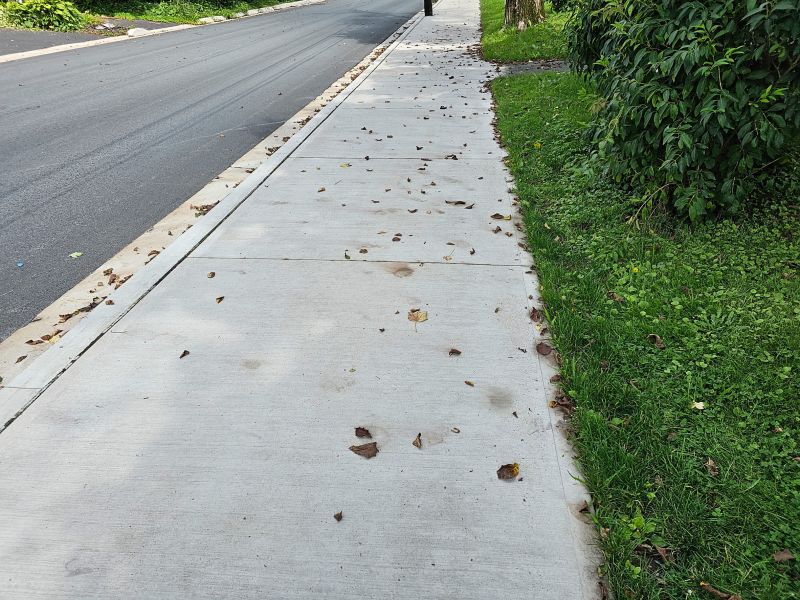
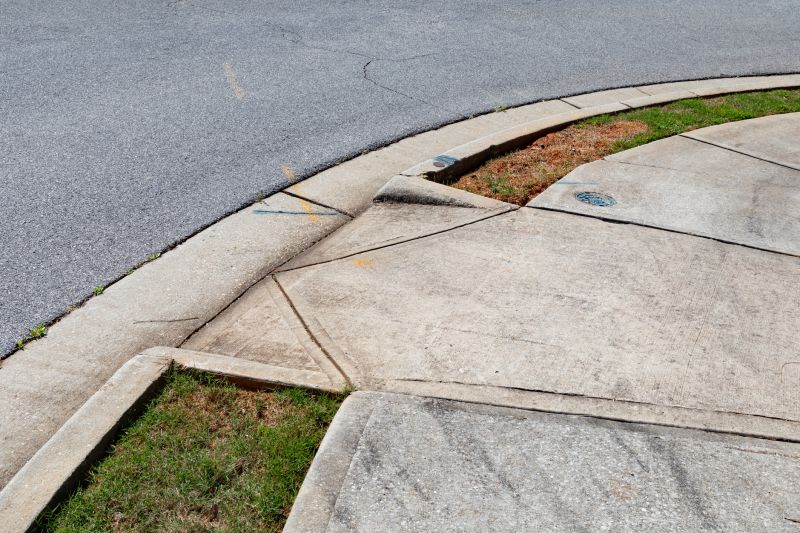
When property owners search for information about ada-compliant concrete sidewalks: what property owners need to know, they are often looking to understand how sidewalk design and construction can meet accessibility standards established by the Americans with Disabilities Act. This topic typically comes up during projects involving new sidewalk installation, sidewalk repairs, or upgrades to existing walkways to ensure they are accessible to everyone, including individuals with mobility challenges. Property owners may be planning to improve public-facing areas, such as commercial properties, government facilities, or residential communities, where accessible pathways are required by law or recommended for inclusivity. Understanding the basics of ada-compliant sidewalks helps property owners make informed decisions about design features, materials, and the role local contractors play in ensuring compliance.
This topic relates closely to problems like uneven surfaces, narrow pathways, or steps that can hinder accessibility and violate ADA standards. Property owners often seek solutions to eliminate tripping hazards, improve curb ramps, and create smooth, level surfaces that accommodate wheelchairs, walkers, or strollers. Many projects involve planning for wider sidewalks, tactile indicators, or accessible curb cuts, especially in areas with increased pedestrian traffic or public access. Local service providers who specialize in ada-compliant sidewalk construction are familiar with the necessary regulations and best practices, helping property owners address these concerns effectively. These professionals can evaluate existing walkways, recommend modifications, and ensure that new installations meet all relevant standards for accessibility.
The types of properties that commonly come up in discussions about ada-compliant concrete sidewalks include commercial buildings, government offices, healthcare facilities, and residential communities. Commercial properties often need accessible walkways to meet legal requirements and to serve customers or visitors with disabilities. Public spaces like parks, sidewalks along city streets, and transit stations also require ADA-compliant pathways to promote inclusivity and safety. Residential properties, especially multi-unit complexes or senior living communities, may undertake sidewalk upgrades to improve mobility for residents and visitors. Local contractors experienced in ADA sidewalk standards understand the specific needs of these property types and can provide tailored solutions that align with project goals and legal obligations.
For property owners considering sidewalk projects, understanding how local pros can assist with ada-compliant concrete sidewalks is essential. These professionals bring expertise in designing and constructing pathways that adhere to accessibility standards, ensuring compliance and usability. They handle tasks such as grading, leveling, and installing features like curb ramps and tactile indicators, which are vital for meeting ADA requirements. Engaging with experienced service providers helps property owners navigate the complexities of accessibility standards, avoid potential legal issues, and create walkways that are safe and functional for all users. Connecting with local contractors who specialize in ADA-compliant sidewalk construction ensures that projects are executed correctly, efficiently, and in line with accessibility goals.
Accessible Pathway Installation - local contractors who specialize in accessible pathway installation can help property owners design and build walkways that meet ADA standards for width, slope, and surface quality.
Concrete Paving Projects - similar skills and tools are used in general concrete paving, requiring precise surface leveling and finishing to ensure safety and compliance for pedestrian areas.
Sidewalk Repair and Resurfacing - local service providers experienced in sidewalk repair can address existing unevenness or damage to bring pathways up to ADA compliance standards.
Curb Ramp Construction - constructing curb ramps involves planning and building accessible transitions between sidewalks and streets, requiring knowledge of ADA specifications and proper installation techniques.
Parking Lot Accessibility Improvements - contractors working on parking lot upgrades often handle accessible route planning, including the installation of compliant accessible parking spaces and pathways.
Public Space Accessibility Projects - local pros experienced in public space improvements can assist with integrating ADA-compliant sidewalks into parks, plazas, or community areas for inclusive access.
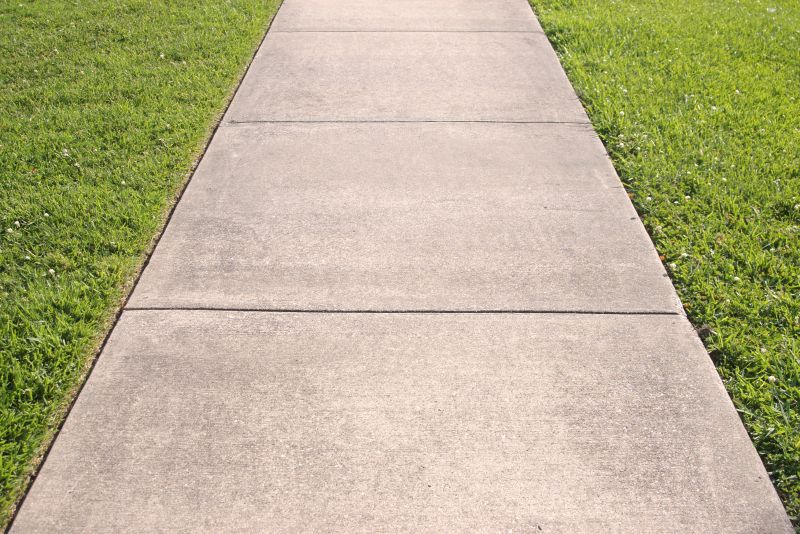
When evaluating service providers for ADA-compliant concrete sidewalks, experience with similar projects stands out as a key factor. Homeowners should seek local contractors who have a proven track record of completing sidewalk installations that meet accessibility standards. An established history of working on projects comparable in scope and complexity can provide confidence that the contractor understands the specific requirements involved, such as proper slope, width, and surface texture. Asking for examples of past work or references related to accessible sidewalk construction can help gauge their familiarity with ADA compliance and their ability to handle the unique challenges these projects may present.
Clear written expectations are essential when choosing a service provider for ADA-compliant sidewalks. Homeowners should ensure that the scope of work, materials, and standards are explicitly outlined in a detailed proposal or contract. This documentation helps prevent misunderstandings and ensures that both parties are aligned on project goals. Reputable local contractors typically communicate their process, timelines, and responsibilities upfront, making it easier for property owners to assess whether the service provider’s approach aligns with their needs and ADA guidelines.
Good communication and reputable references are vital indicators of a reliable contractor. Property owners should seek service providers who are transparent, responsive, and willing to answer questions about their experience with ADA-compliant sidewalk projects. Additionally, obtaining references from previous clients can provide insight into the contractor’s professionalism, quality of work, and adherence to project specifications. Reliable communication throughout the project helps ensure that any concerns or adjustments can be addressed promptly, contributing to a smoother process and a finished sidewalk that meets accessibility standards.
Property owners often search for ada-compliant concrete sidewalks: what property owners need to know when they are planning practical projects around their homes and businesses. Local pros provide ADA-Compliant Sidewalk Construction services for everyday jobs and straightforward project options.
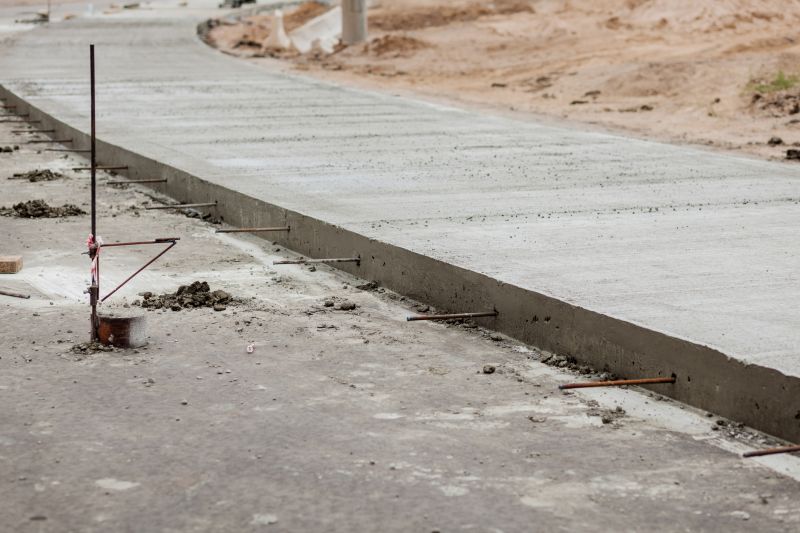
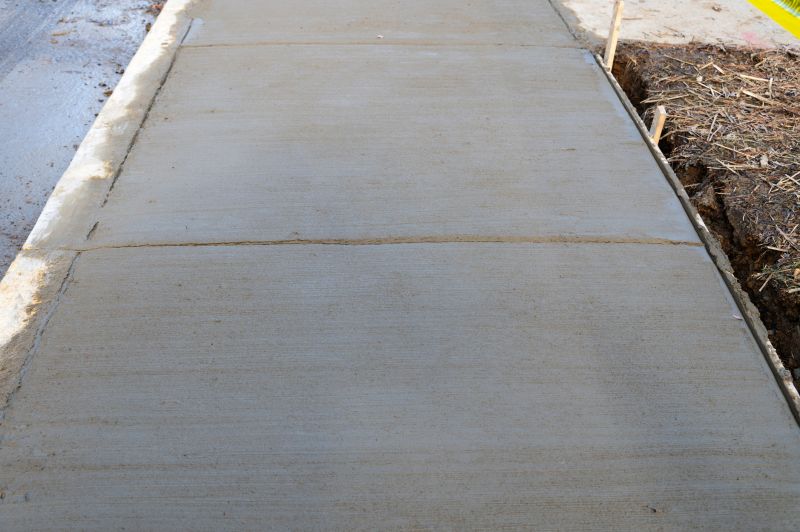
Property owners in the area might search for information on ADA-compliant concrete sidewalks when planning upgrades to their properties or ensuring accessibility for all visitors. Common situations include adding new pathways, renovating existing sidewalks, or making adjustments to meet accessibility standards mandated by local regulations. Understanding the basics of ADA-compliant sidewalk construction can help property owners avoid potential legal issues and improve usability for individuals with mobility challenges. Local contractors experienced in ADA-compliant sidewalk projects can provide guidance on proper design, dimensions, and installation to meet these requirements effectively.
Many property owners choose to work with local service providers to handle the construction of ADA-compliant concrete sidewalks because of their familiarity with regional building codes and accessibility standards. These professionals can assess existing walkways and recommend modifications or new installations that align with current guidelines. Engaging local contractors ensures the work is performed correctly and efficiently, helping property owners create accessible, durable sidewalks that serve all visitors comfortably. Comparing options and connecting with experienced service providers can make the process of upgrading to ADA-compliant sidewalks straightforward and stress-free.
What are the main requirements for ADA-compliant concrete sidewalks? ADA-compliant sidewalks must have a minimum clear width, a gentle slope, and accessible curb ramps to ensure safe and easy access for all users. Local contractors are knowledgeable about these standards and can help ensure compliance during construction.
How can property owners ensure their sidewalks meet ADA standards? Property owners should work with experienced service providers who understand ADA guidelines to design and build sidewalks that incorporate appropriate slope, tactile warnings, and accessible features.
Are there specific design features that make sidewalks ADA-compliant? Yes, features such as proper curb ramp design, detectable warnings, and appropriate cross slopes are essential. Local sidewalk construction professionals can incorporate these elements to meet ADA requirements.
What are common mistakes to avoid when constructing ADA-compliant sidewalks? Common mistakes include improper slope, narrow pathways, and lack of accessible curb ramps. Consulting with local pros ensures these issues are addressed and standards are met.
Why should property owners hire professionals for ADA-compliant sidewalk construction? Experienced local contractors understand ADA standards and can handle the technical aspects of compliant sidewalk design and installation, reducing the risk of non-compliance.
Understanding accessibility standards - property owners should familiarize themselves with ADA guidelines to ensure sidewalks meet required slopes and widths, which local contractors can incorporate into their designs.
Planning for proper curb ramps - integrating curb ramps at intersections and crossings helps create accessible pathways, with local service providers able to install compliant features.
Choosing durable, slip-resistant surfaces - selecting concrete mixes that resist slipping and withstand weather conditions enhances safety, a task handled by experienced contractors.
Ensuring proper maintenance and inspections - regular upkeep helps preserve ADA compliance over time, with local pros offering services to keep sidewalks accessible and in good condition.
If you are thinking about ada-compliant concrete sidewalks: what property owners need to know for a property, this guide is meant to help you understand this topic, the typical project types, and how different options might fit your plans.
When you are ready, you can use the quote form on this page to share a few details about your project. From there, local pros can review the basics and follow up with options that match what you have in mind.